Keynote Speakers

Linda Black Elk
Linda Black Elk is an ethnobotanist and food sovereignty activist specializing in teaching about culturally important plants and ways to build relationships with the natural world. She is eternally grateful for the intergenerational knowledge of elders and other knowledge holders, who have shared their understandings of the world with her, and she has dedicated her life to giving back to these peoples and their communities. Linda works to build ways of thinking that will promote and protect food sovereignty, traditional plant knowledge, and environmental quality as an extension of her work as a gardener, forager, fisher, hunter, and gatherer. Linda and her family spearhead a grassroots effort to provide organic, traditional, shelf stable food and traditional Indigenous medicines to elders and others in need. Thus far, they have fed and healed thousands of people through their advocacy. Linda has written numerous articles, book chapters, and papers, and is the author of “Watoto Unyutapi”, a field guide to edible wild plants of the Dakota people, which is now out of print. Linda proudly serves as the Director of Education at NATIFS, a Native-led nonprofit in Minneapolis, Minnesota. She also sits on the board of Makoce Ikikcupi, a Reparative Justice project on Dakota lands in Mnisota Makoce. When she isn’t teaching, Linda spends her time living in a traditional Dakota earthlodge while foraging, hiking, hunting, and fishing on the prairies, woodlands, and waters of Turtle Island with her husband and three sons, who are all members of the Oceti Sakowin – the Seven Council Fires of the Lakota.
Linda’s Keynote Address: Be Kind to Your Plant Relatives
As plant people, we often rely on the Powers of Plants to feed and heal others. While many plant people are extremely skilled and knowledgeable, and some even possess “medicine” of their own, herbalism is less about our own personal power and more about the medicine, energy, and powers of plants. This can often result in a one-sided transaction in which plants are exploited and even harmed. How do we, as intermediaries between people and plants, ensure respectful, reciprocal, and kind relationships with the natural world? Join Linda Black Elk as she offers some thoughts and tips for being kind to our plant relatives.
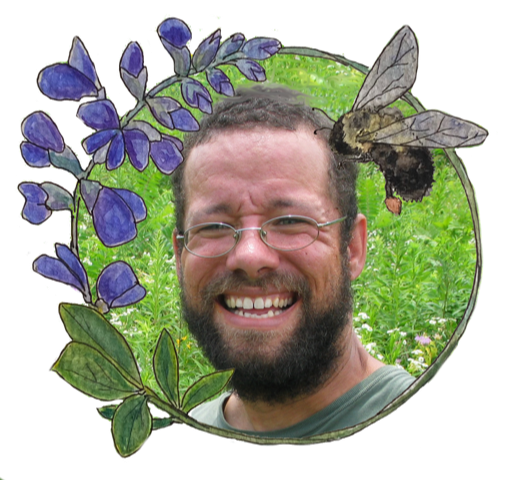
Marc Williams
Ethnobiologist Marc Williams has studied the people, plant, mushroom and microbe interconnection intensively while learning to employ botanicals and other life forms for food, medicine, and beauty in a regenerative manner. His training includes a Bachelor’s degree in Environmental Studies concentrating in Sustainable Agriculture with a minor in Business from Warren Wilson College and a Master’s degree in Appalachian Studies concentrating in Sustainable Development with a minor in Geography and Planning from Appalachian State University. He has spent over two decades working at a multitude of restaurants and various farms and has traveled throughout 30 countries in Central/North/South America and Europe as well as all 50 states of the USA. Marc has visited over 200 botanical gardens and research institutions during this process while taking tens of thousands of pictures of representative plants and other entities. He has taught hundreds of classes to thousands of students about the marvelous world of people and their interface with other organisms while working with over 100 organizations and particularly as a key contributor to the work of United Plant Savers, Plants and Healers International and online at the website http://www.botanyeveryday.com. Marc’s greatest hope is that this effort may help improve our current challenging global ecological situation.
Marc’s Keynote Address: Food as Medicine
Food as medicine is a concept that is rooted in healing systems from all over the world. It is well known that various compounds such as antioxidants and some bitters are helpful in promoting overall health and well-being. Classes of plants, such as adaptogens, make up a large part of the current superfood trends in our society. Ethnobiologist Marc Williams will present an overview of plants that represent prime examples of how food can be medicine, as well as some fascinating stories of how these plants and humans have interacted over time.
Presenters
Our deadline for presenters was November 30 and we got so many wonderful responses. Here is our lineup! Schedule will be posted as soon as we sort it out.
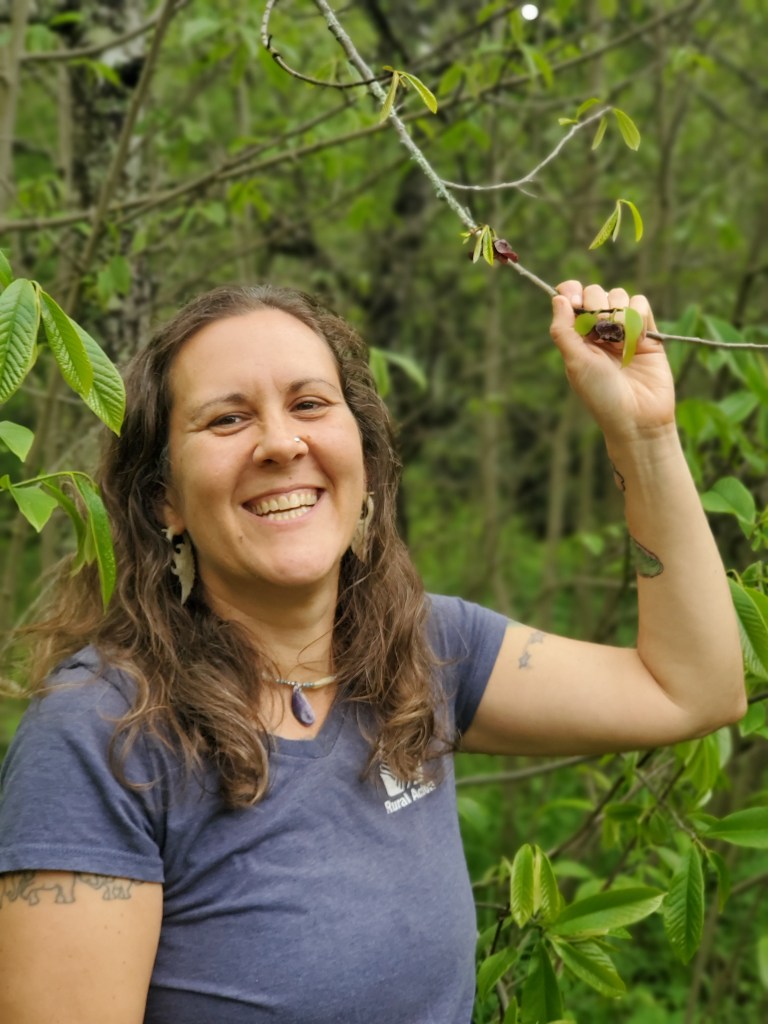
Abby Artemisia is a Botanist, Herbalist, Forager, and Founder of The WANDER School, a nonprofit making herbs and botanical education accessible. She teaches Antiracist Herbalism, Foraging, & Botany, and lives in Appalachian North Carolina (the unceded land of the Cherokee, Catawba, and Yuchi), where she forages and wildcrafts her food and remedies. Abby was born in coastal Florida and learned the plants in Cincinnati, Ohio, where she worked on organic farms, started a tea business, and graduated with a Botany degree from Miami University (named for the Myaamia native nation). She’s the author of The Wild Foraged Life Cookbook, The Herbal Handbook for Homesteaders, and Botany Breakdown Virtual Course.
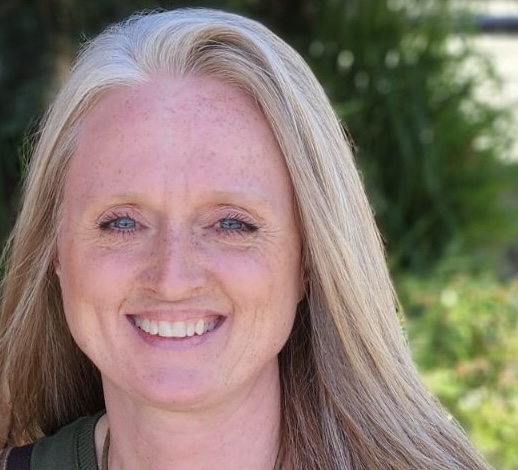
Amber Leckenby – I am a Registered Nurse, since 1998, and started working in Correctional/Prison Dialysis in 1999. I am now an Executive Vice President/Chief Operating Officer for dialysis, also known at work as the crunchy executive or crunchy lady. I married my high school sweetheart and best friend in 1993. We have two amazing children and two beautiful grandchildren. We both grew up in Washington State and moved to Alabama in 2009. We have a nice homestead and raise dairy goats, chickens, ducks, bees, fruits, vegetables, and medicinal plants. We love to hike and forage for food and medicinal plants. I have been studying with Darryl Patton, the Southern Herbalist, since 2017. My initial interest was to be able to identify and use plants growing around me. I have learned so much more than that and now have an “herb family” as part of my life. I enjoy helping others that need/want help using natural remedies for ailments as well as making everyday products like toothpaste, soap, deodorant, lotions/creams, salves, and cosmetics.

Amy Boldt, MS, is a clinical herbalist and herb farmer from Westminster, MD. She graduated from MUIH in 2014 and is currently studying with Margi Flint as a Legacy Teacher.
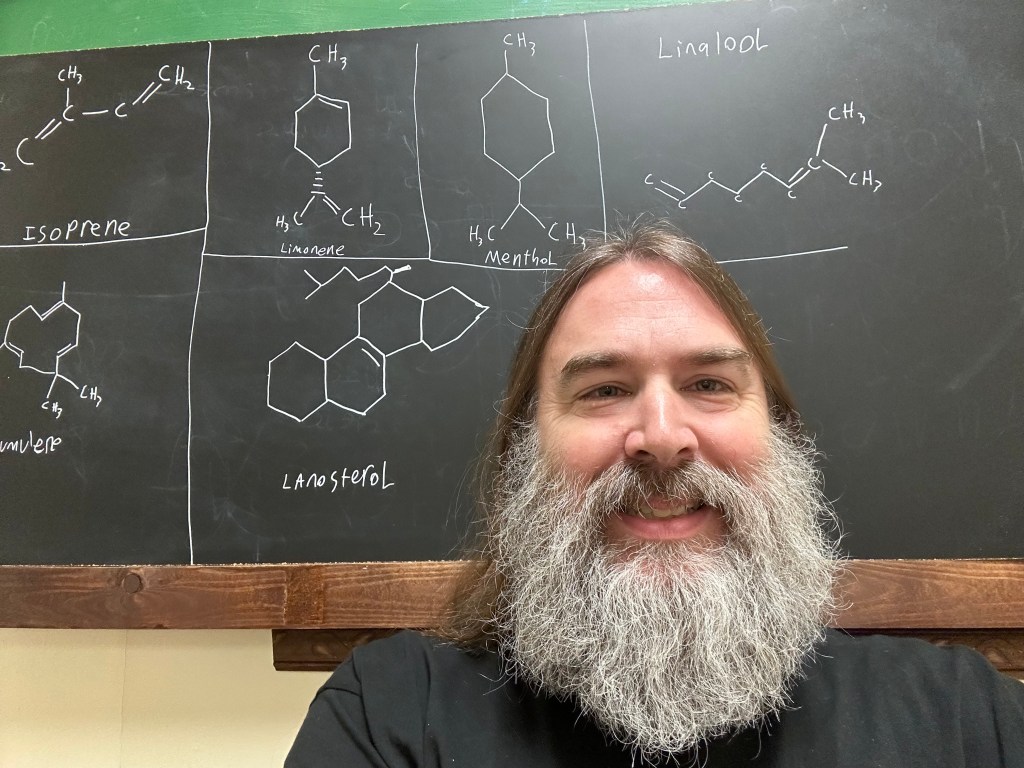
Andrew Bentley is a clinical herbalist practicing and teaching in Lexington, Kentucky.

Appy & Eric of Third Great Farm — regenerative farmers and mushroom growers merging soil science, herbalism, and sustainable design.
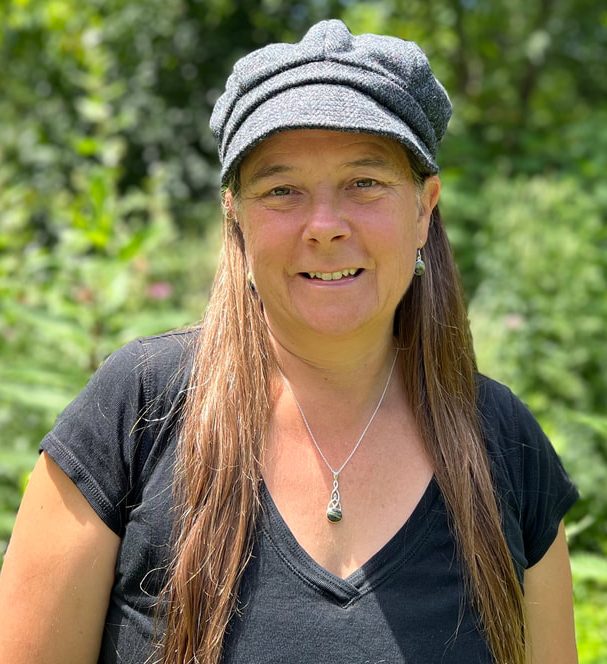
Anna Fernandez is a mother, certified nurse midwife, nurse and herbalist. She has provided care for birthing people in the home, birth center and hospital settings. After recently retiring from attending births, she has started her own practice providing GYN care focusing on women’s health and care for people born with female anatomy. Anna weaves her background of herbalism into her practice striving to provide wholistic and comprehensive care to her clients.

Betsy Merbitz has been attending births and working with herbs since 2006. She is a midwife, herbalist, massage therapist, and poet.

Betzy Bancroft has had a deep appreciation for the magic of plants since childhood. She’s been teaching herbal medicine for over 3 decades, currently at Sage Mountain and the Vermont Center for Integrative Herbalism, a non-profit herb school and clinic she helped found, as well as herbal and agricultural conferences. Betzy is an herbal practitioner and a supervisor for VCIH’s student clinic. Betzy is also a United Plant Savers Advisory Board member, and previously served as that organization’s office manager for a decade. She has compiled her experience and curriculum in the new book, Herbal Pharmacy: the Science and Magic of Preparing and Administering Plant Medicine just published by Chelsea Green. Besides medicine making, she’s fascinated by microbes and phytonutrients.
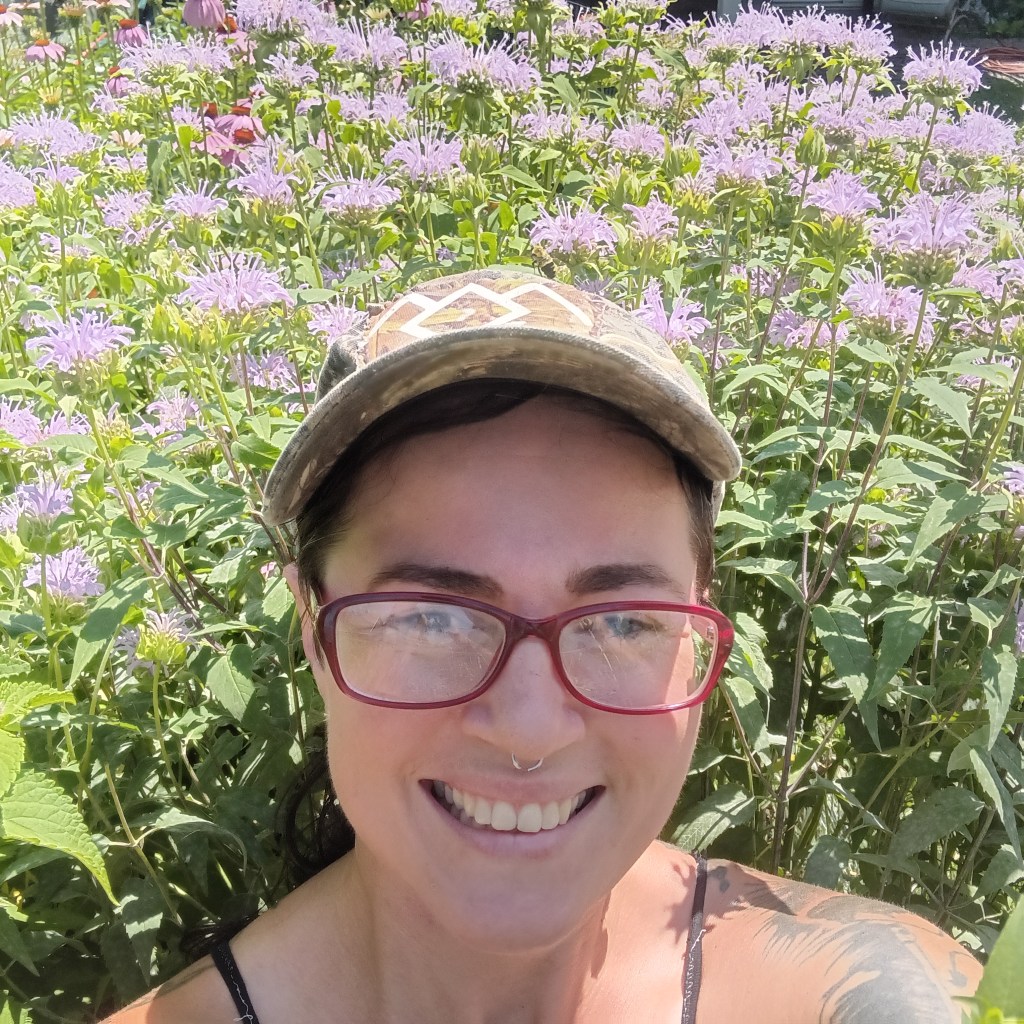
Cal Janae Wolfpack is a clinical herbalist, botanist, herb grower, forager & plant educator located in Milo, IA in the Raccoon River and Des Moines River watersheds. Cal has been studying plants for their entire life: as a child they were led on nature walks in Iowa and Minnesota by their naturalist-anthropologist father. Later, they formalized their passion for the natural world and living sustainably in it with a degree in Ethnobotany from Drake University. After and between years of travel, Cal studied and apprenticed with herbalist 7Song at the Northeast School of Botanical Medicine from which they hold an Herbalist Certificate where they were later employed. During this time Cal practiced as a clinical herbalist at the Ithaca Free Clinic in Ithaca, New York for several years. Cal currently works as a self-employed herbalist and botanist as the owner of Profound Existence Herbs.

CoreyPine Shane is Founder and Director of the Blue Ridge School of Herbal Medicine, and co-director of the Barnardsville Free Herbal Clinic. He has been teaching people and helping clients for 30 years, artfully blending Chinese and Western herbal traditions with a focus on local plants. His book “Southeast Medicinal Plants” covers how to identify, ethically harvest, and use the wild plants of the Southeastern United States.
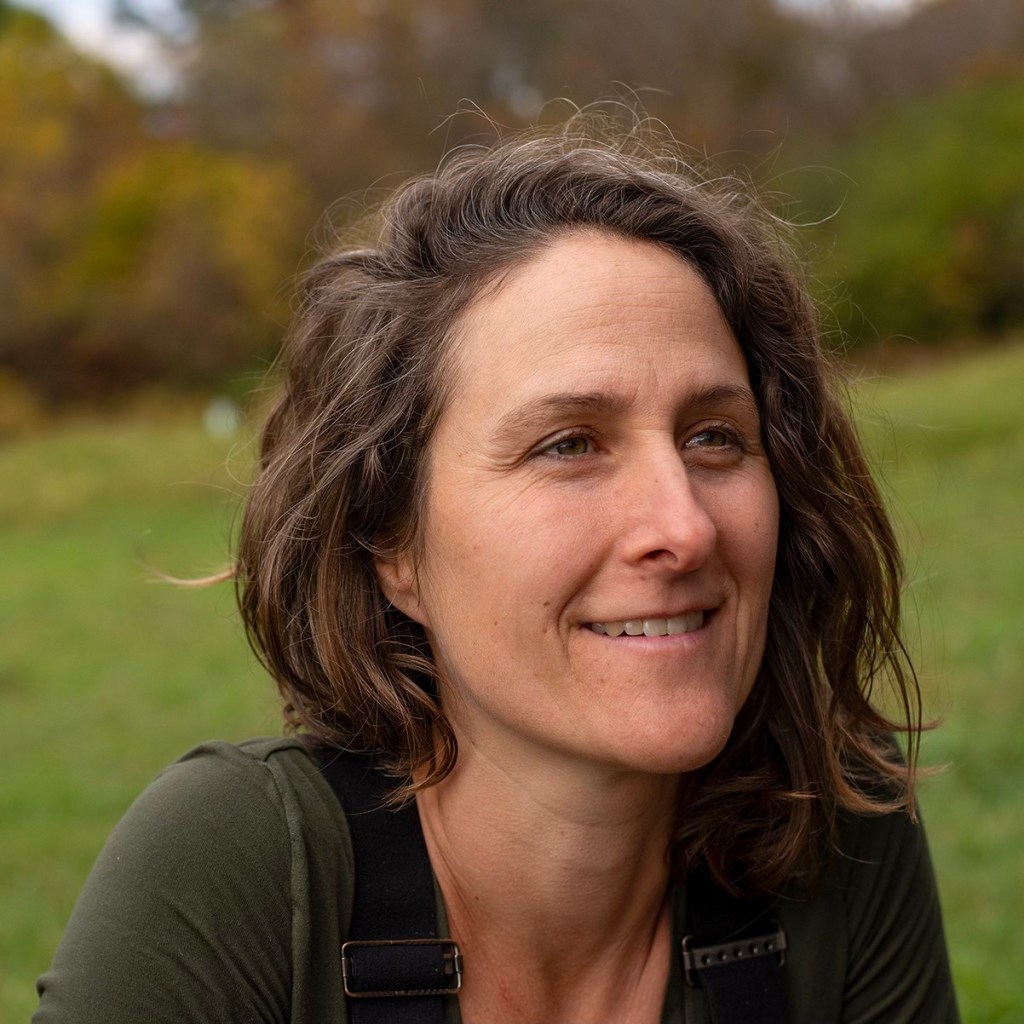
Cortney Moses is a farmer and educator from Williamsburg, Kentucky. She and her family operate GoodThymes Organic Farm, where they grow certified organic vegetables and raise pastured poultry. With more than 15 years of farming experience, Cortney teaches workshops on sustainable growing and tomato grafting. Off the farm, she has 13 years of experience as the Whitley County Community Arts Extension Agent, leading programs that build skills, foster community, and support local artists. In 2024-25, she coordinates over 250 arts and enrichment opportunities, from pottery and natural dyeing to community events and youth camps. Holding degrees in Fine Arts and Sustainable Communities, Cortney combines agriculture and art to inspire connection with the natural environment and encourage personal growth and learning.
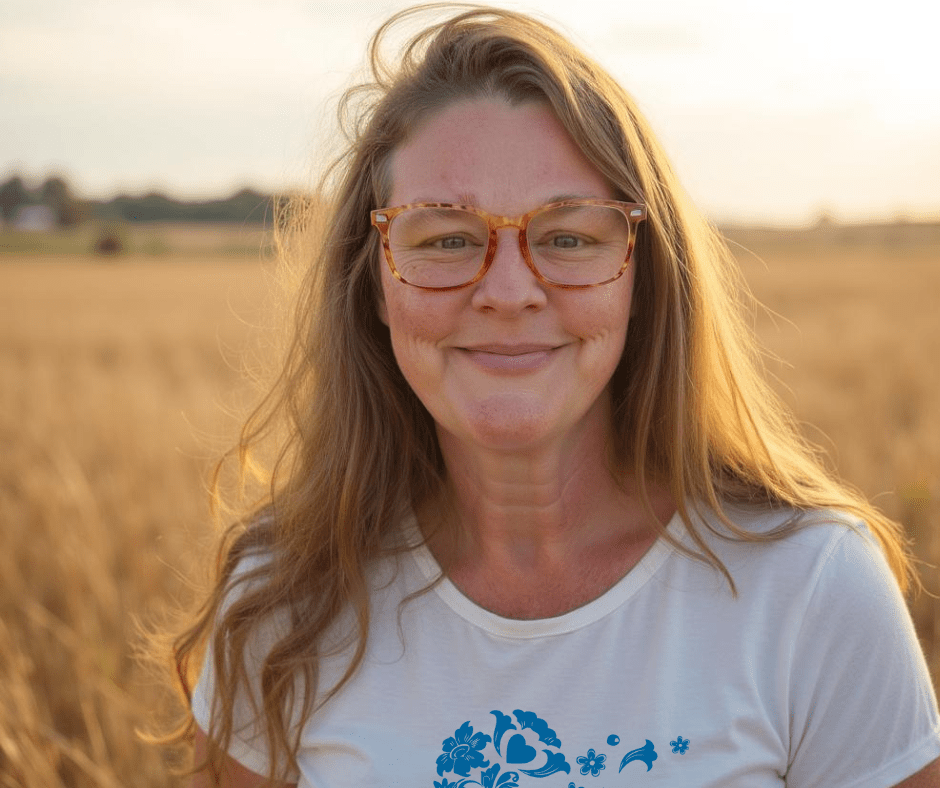
Demetria Clark – I began studying herbalism at the age of 13. Over the years, I have apprenticed with Rosemary Gladstar, Jane Smolnik, and Susun Weed, and attended workshops with many well-known herbalists from around the world. I believe herbalism is something to be shared with anyone who wants to learn, and I am a strong advocate for evidence-based health care. I know that responsible herbalism can guide people toward vitality and health. I have authored numerous books, including the best-selling Herbal Healing for Children. I am the founder of Birth Arts International, a leading doula certification and training organization. In 1998, I founded Heart of Herbs Herbal School, which has since introduced thousands of students to the world of herbalism.

Janet Wolf Blevins has an Acupressure degree along with two 1000 hours holistic health practioner degrees in Western & Asian bodywork. In 2000 she worked at the Processing Center massaging for the Summer Olympic Team. She has worked with major resort spas and was the Executive Director for Natural Touch Schools of Massage & Esthetics, and Program Director for Living Arts School of Massage. Janet has written her own book (Acupressure for Bodyworkers & Herbalist). Janet apprenticed with and is a homework reviewer for Rosemary Gladstar’s Science & Art of Herbalism and also has a recipe in Rosemary’s Firecider book. She loves traveling, teaching, learning herbs, shamanism and meeting people.
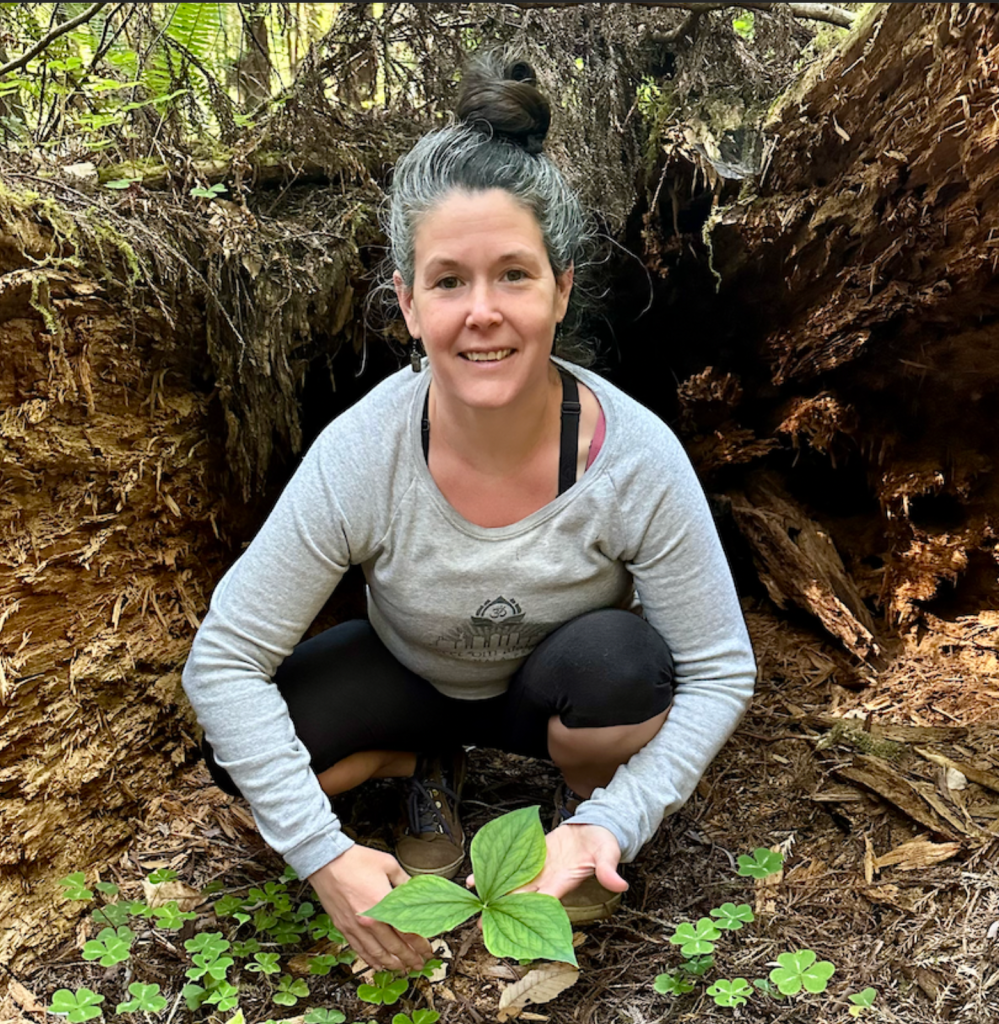
Joanna Mann is co-owner of Walden Farmacy, a permaculture style herb farm located in Alabama. Joanna has been through many evolutions including law school student, yogi, massage therapist, patient, mother, seeker, healer, birth-worker, farmer, dreamer, and herbalist. Her personal success finding healing through herbs and energy work started her on her path of working to reconnect people with themselves, nature, and their own innate intuitive abilities in order to propel them into greater happiness, healthiness, and wholeness. Joanna’s interests in herbalism include medicine making, ritual healing, archetypal herbalism, and dreamwork.


Irucka Ajani and Obiora Embry are creative, enterprising, intelligent, multidimensional, and multi–faceted twin brothers.

Joseph Quade has extensive training and experience in Physical Therapy and has practiced as a manual therapist for over 30 years, integrating modalities of energy work and herbalism into his practice.
Stacey Quade has been studying and mentoring with Margi Flint, RH since 2008. Other teachers that have helped her learn are Matthew Wood, jim mcdonald, Nicholas Schnell, and more recently Lisa Ganora. Stacey has over 3 decades of clinical experience in the conventional therapy of OT. As a Healing Touch practitioner, she also instructs the first two levels of coursework. She sees people 1:1 and teaches small groups in community, and for the city and county wellness programs.
Both Stacey and Joseph have over 3 decades of clinical experience in the conventional therapies of OT and PT. Both are certified Healing Touch practitioners and Stacey also instructs the first two levels of coursework. We see people 1:1 and teach small groups in community, and for the city and county wellness programs.
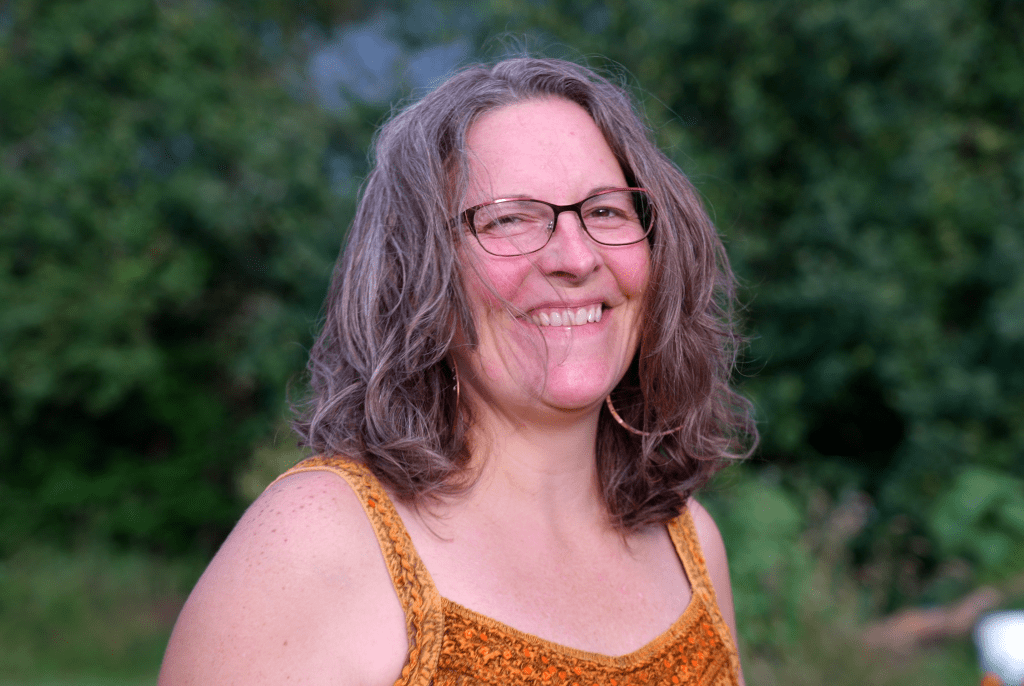
Karen Wiseman co-owns Peaceful Harvest Mushrooms, a family-owned certified organic, FDA inspected medicinal mushroom company, located in the green mountains of Vermont. She spent 30+ years in the pharmaceutical and medical device industries before transitioning to a more harmonious path in the world, homesteading with her husband and children, and using her knowledge of medicine in a more natural and soul-satisfying way. Karen is a practicing Clinical Herbalist with training from Vermont Center for Integrative Herbalism and Wisdom of the Herbs School, and has a degree in Chemical Engineering from Rensselaer Polytechnic Institute. Karen is an ordained minister in Psancutary Church, a non-profit mushroom church, and is studying Shamanism at Indigenous Roots Institute. Karen strives to contribute to a strong and vibrant community of beautifully skilled human beings, existing together, in balance with each other, and the environment.
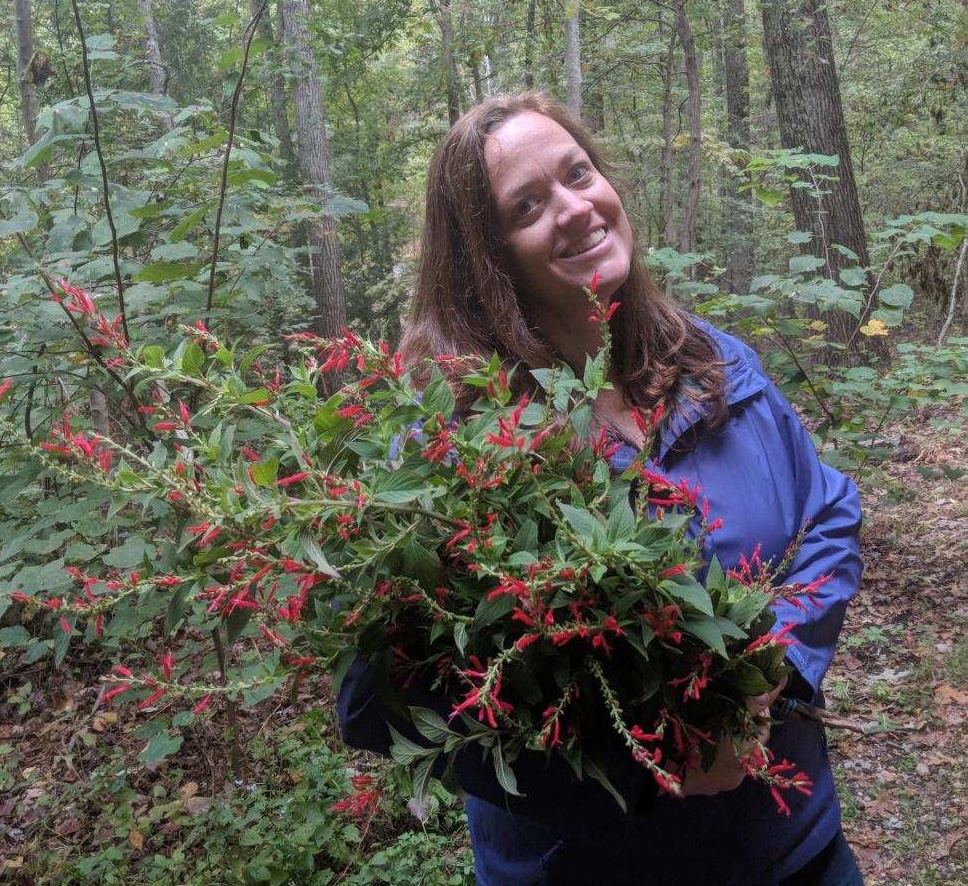
Lauren Kallmeyer is a clinical herbalist at Resilient Roots, where she educates at the intersection of traditional folk medicine and scientific research. She is passionate about teaching the sustainable harvest and conservation of forest-grown herbs, and her farm is a United Plant Savers’ botanical sanctuary. She has led several nonprofit organizations, is a member of the Kentucky Rural/Urban Exchange, and currently volunteers as an organizer for community herb clinics and the Goldenrod Gathering, a Kentucky herbalism festival. She is a member of the American Herbalists Guild and holds an M.S. in Therapeutic Herbalism from Maryland University of Integrative Health.

Leah Wolfe, MPH, is an archetypal herbalist. You know the one, living at the edge of town with all the weird plants. A childhood in a village sandwiched between two national forests led to a lifetime study of the wild. Leah travels to forage and learn about healing plants and biodiversity. In 2013, Leah started the Trillium Center in NE Ohio, an educational project for natural arts offering hands-on and online experiences in herbalism, foraging, homesteading, folk arts, and disaster preparedness. Leah’s background is in literary and health research, public health, and disaster response. Her obsession with herbs, art, and culture compels her to explore and cultivate folk art and folklore. Leah offers herbal assessments, forays, workshops, private classes, and online education and believes that herbalism is a life-long learning process.
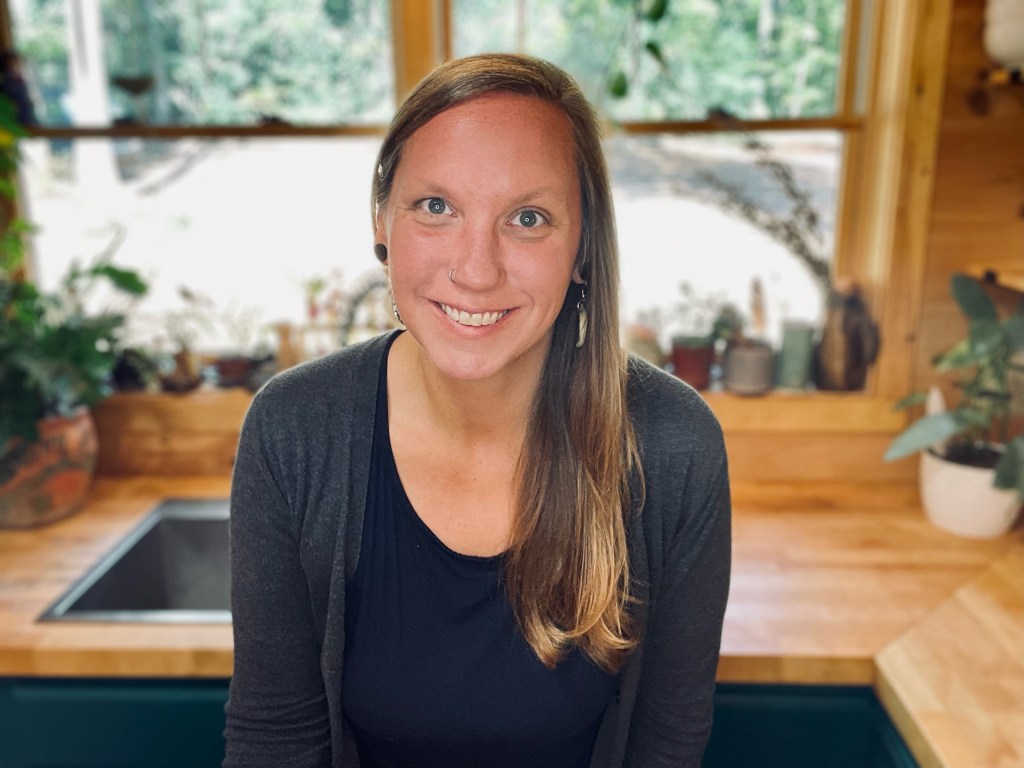
Lindsey Feldpausch, RH(AHG) is a clinical herbalist, educator, and Assistant Director at the Herbal Academy. With over 15 years of experience in the field of herbalism, Lindsey’s work has been focused on herbal education and clinical herbal practice, teaching for online and in-person herb programs, as well as at a variety of conferences, while maintaining a private practice.
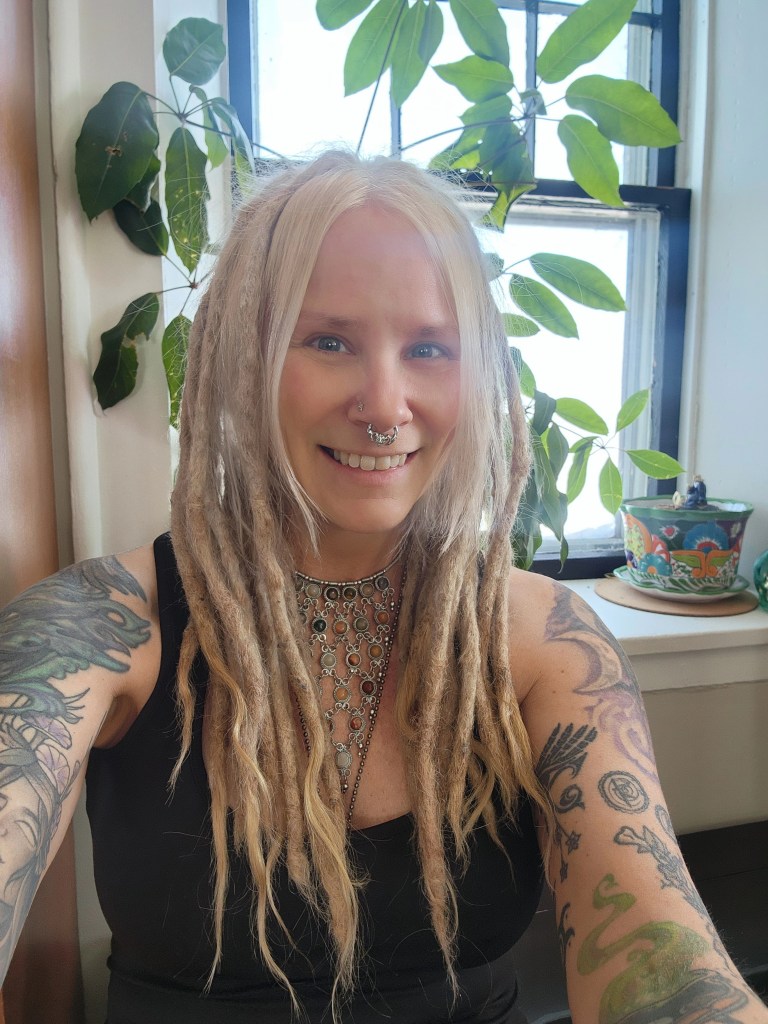
Animist, Herbalist, Astro-Spiritual Advisor, Lisa Harris, RN, MSN, MHA, has over 30 years of experience in healthcare and a lifetime’s experience working with herbs and food as medicine. Learning from her mother, grandmother, and other herbalist mentors over the course of her life she is dedicated to honoring ancestral wisdom and the sacredness of plant medicine. A passionate teacher, Holistic Health and Quantum Energy Practitioner, her mission is to empower others to reclaim their lives and restore their optimal well-being through balancing Body, Mind, and Spirit. She is a co- proprietoress of “Earth Wisdom Wellness” and “The Galactic Oasis” of Cleveland, Ohio, as well as her own private holistic wellness practice. Lisa and her soul-led business partners believe in healing through connection with Nature, Cosmos, and each other, creating a community of support and interconnectedness which heals ourselves, our Ancestors, and our planet.
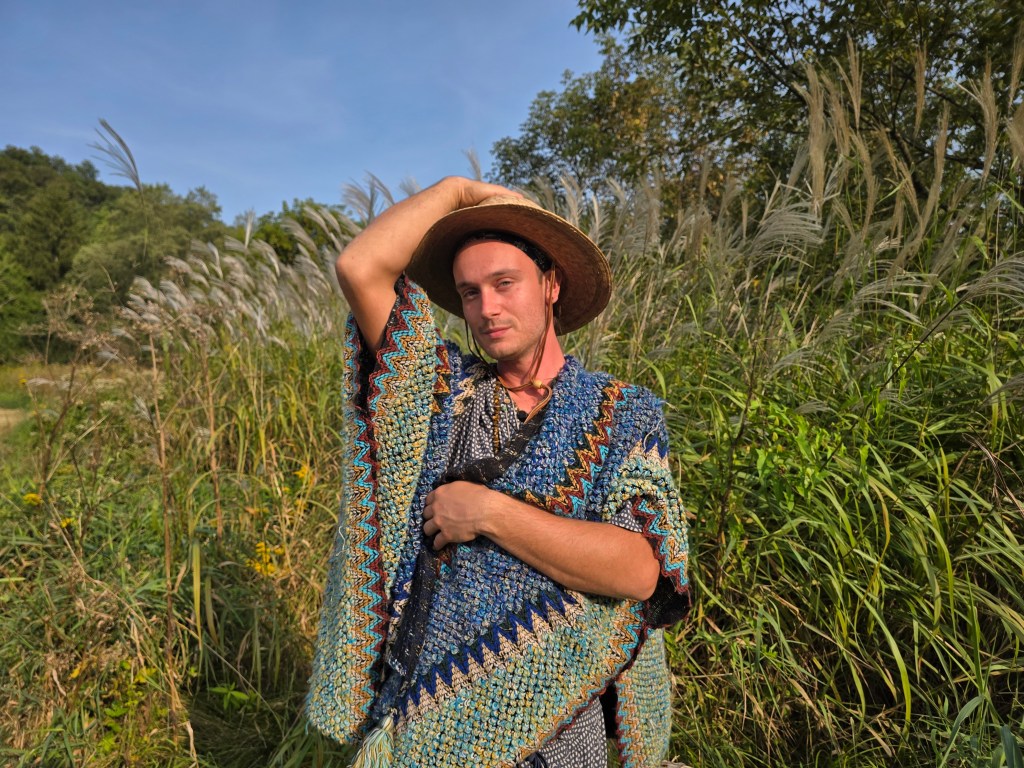
Blending science, tradition, and creativity, Logan McNeal leads engaging workshops that inspire connection, curiosity, and resilience.
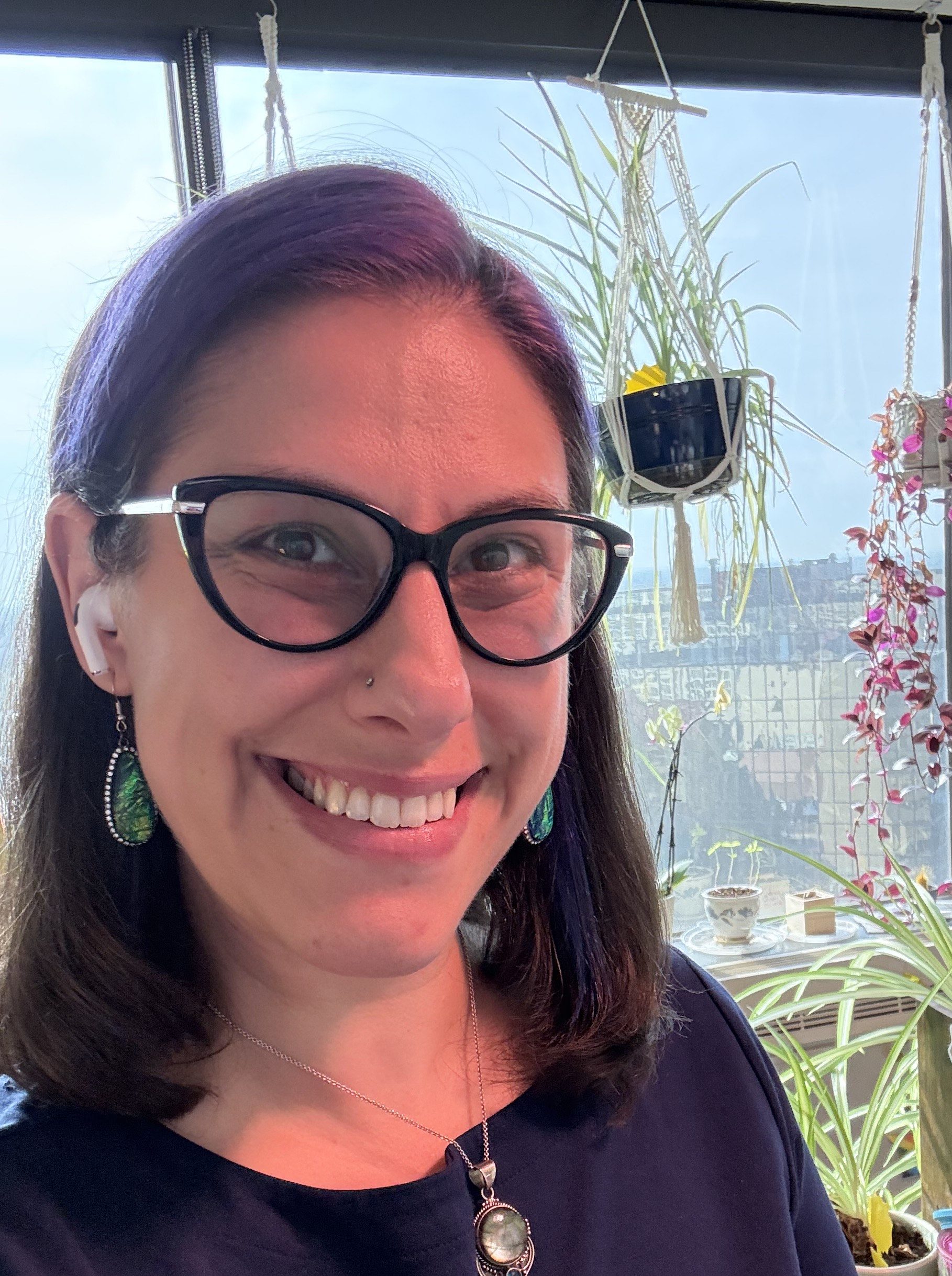
Marley is a beginning herbalist and an experienced attorney and teacher. She became each of those things to help people.
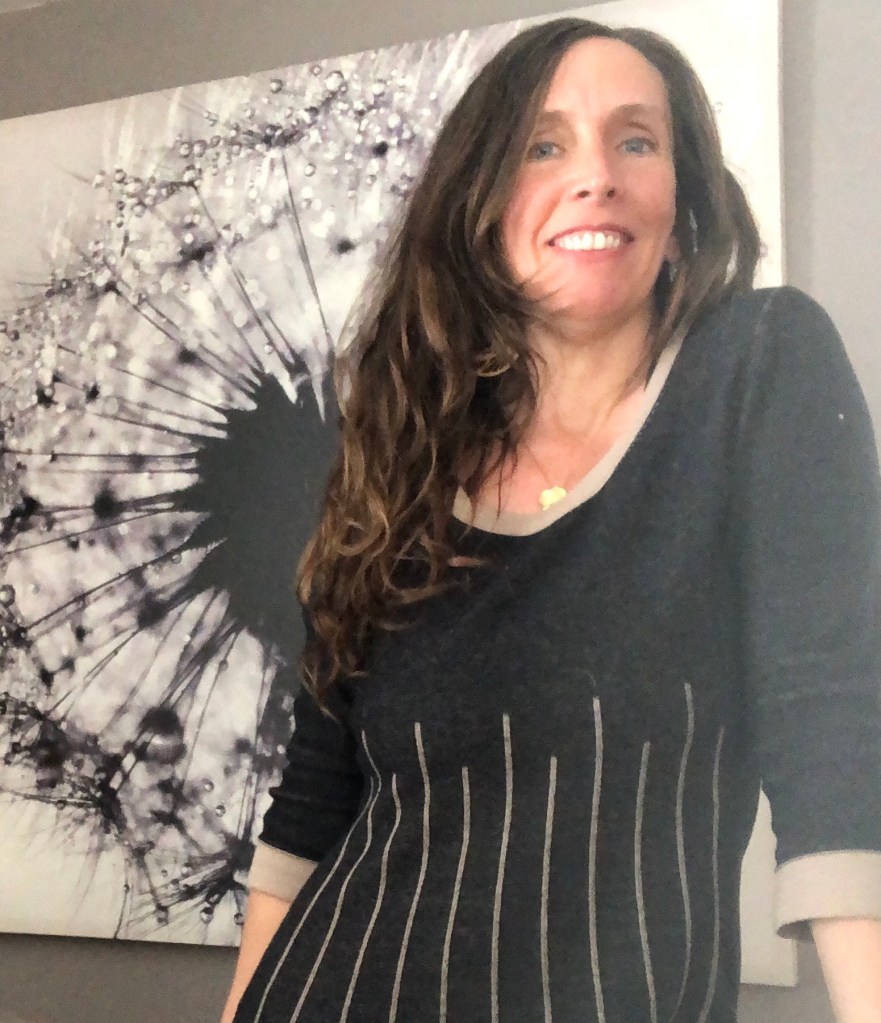
Mary Blue is a community herbalist, educator, and activist with over 25 years of experience. She founded Farmacy Herbs in Providence in 2006, growing it into a nationally respected hub for herbal education, farming, and health justice that has trained over 1,000 students and launched herb businesses across the country. Her work focuses on using herbs, nutrition, and lifestyle to support health. Mary has taught and delivered keynote addresses and taught nationally including at universities, conferences, and community institutions. She has served as a Teaching Associate and Associate Professor at Brown University Medical School and spoke about herbalism at the United Nations Council on Women in 2012, A widely cited and award-winning herbalist, Mary is a leading voice in community-centered herbal medicine.
As a small business owner and community educator, Matt Viar offers grounded presence and knowledge that supports community growth.
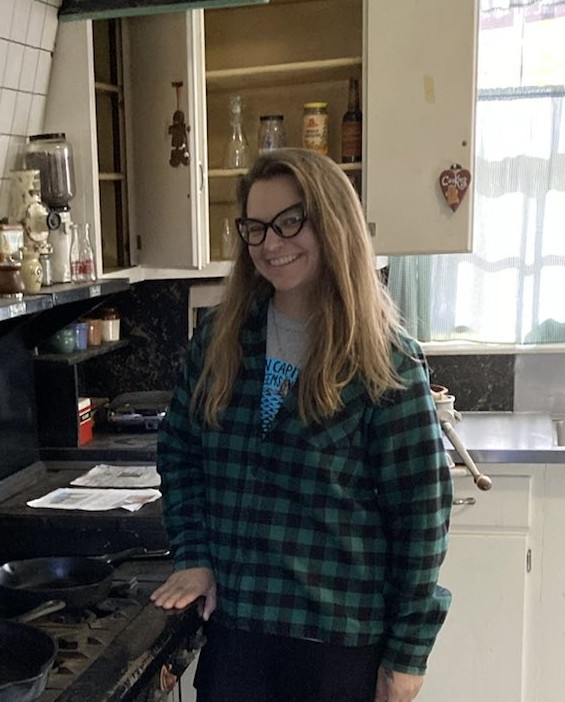
Nicki Schneider, like one of her favorite wild plants, the yellow dock, is packed full of tradition, folklore and wit. Her presence is an offering of stewardship as a relationship, with the land and all its inhabitants, through seasonally based living, foraging, wild foods and reverence. She is an experience that can’t be easily articulated but felt and remembered. One half of the educational duo, Earth Wisdom Wellness, she offers a variety of classes and workshops out of her shared studio space, the Galactic Oasis in Lakewood, Ohio when she isn’t tending her medicine gardens, wrangling ducks or noodling on the banjo.
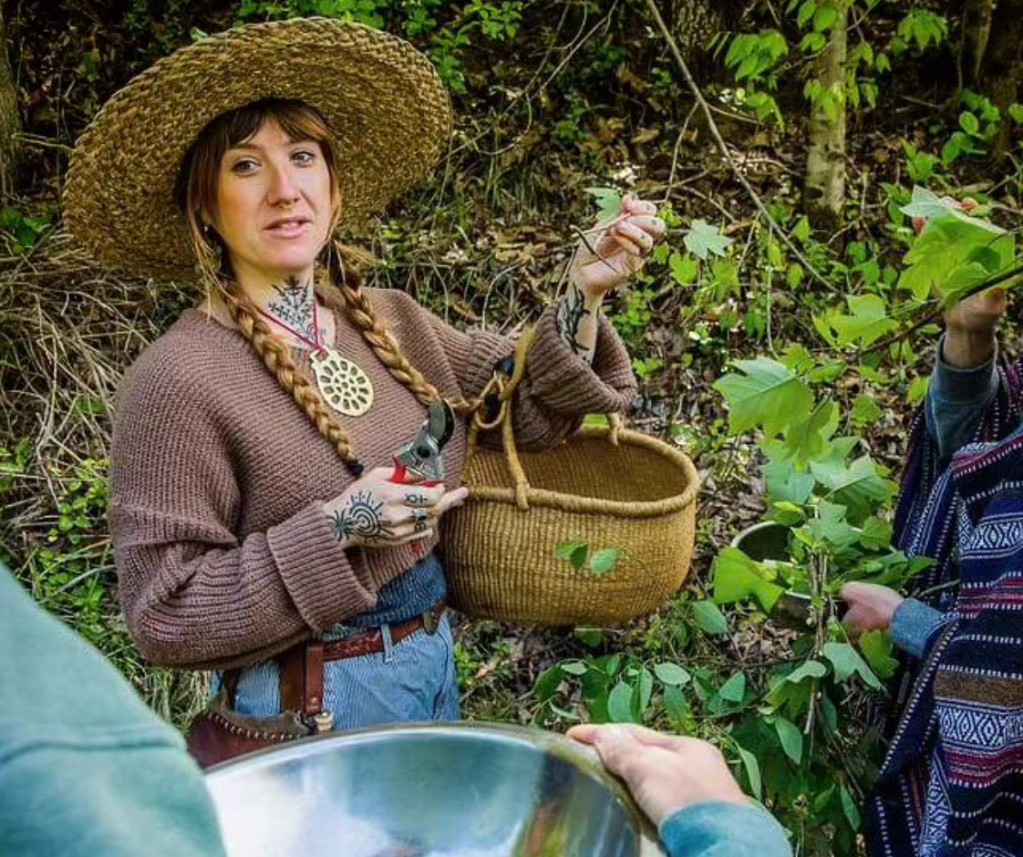
Rebecca Beyer is an Appalachian folk herbalist, author, craftswoman and artist. She has written four books on herbs, gardening, foraging, historical witchcraft and Appalachian folk magic. She runs a small school teaching what she calls Hedgecraft in Western North Carolina where she calls home. She is interested in the ways in which history and modernity meet in herbalism from a bioregional perspective, where the folklore of a plant is just as important as its chemical constituents.
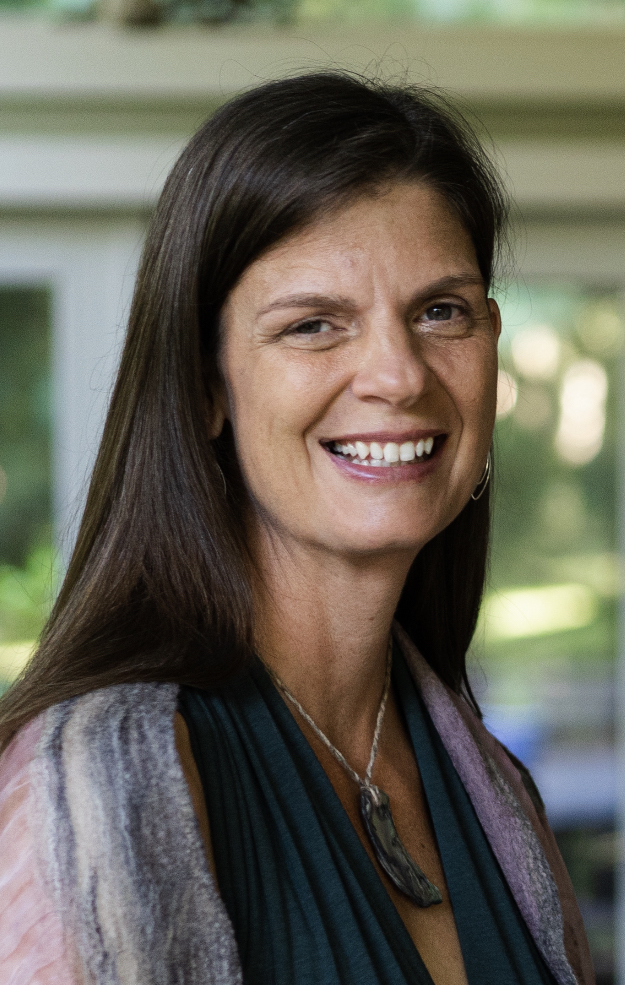
Rebecca Cohen is an herbalist and holistic physician devoted to rekindling women’s connection to their bodies, the earth, and ancestral plant wisdom.
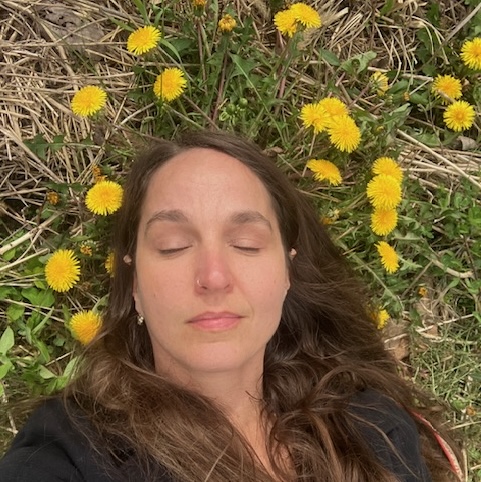
Rebekah Dawn works as a community mental health professional and community folk herbalist in rural Illinois. She lives and Labyrinth Gardens, a United Plant Saver Sanctuary with her sweetheart and their children. Rebekah has a special interests in end of life care and community resiliency.
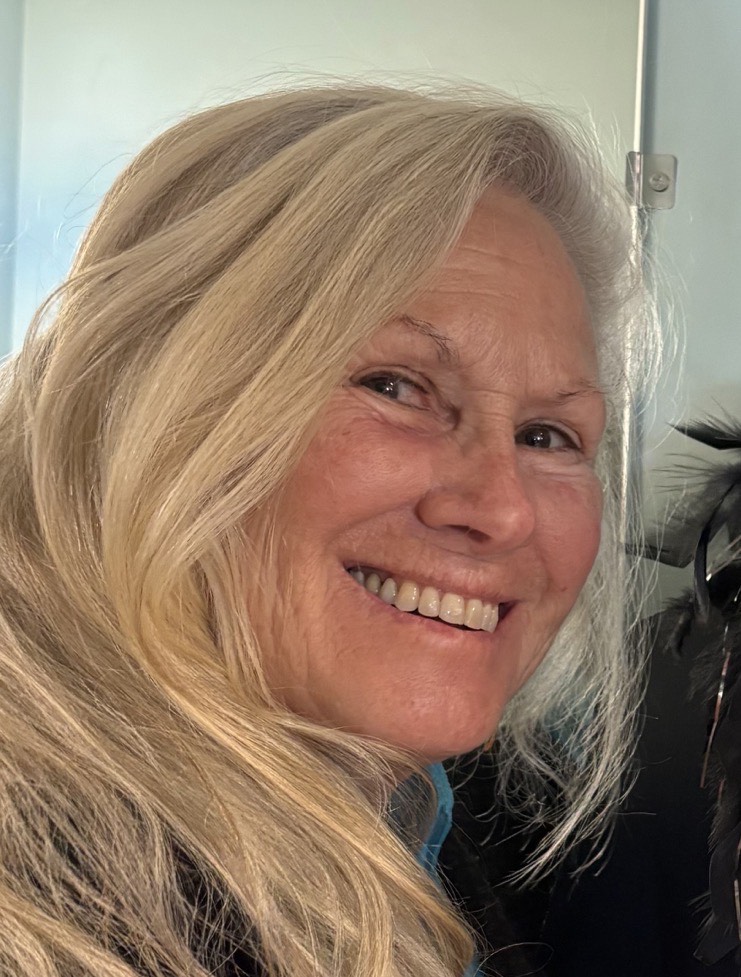
Rebecca Wood is an Herbalist and Holistic healthcare provider with over 30 years of experience. She combines her love of the outdoors, gardens and wild places in her teaching, client centered services and International eco-wellness adventures Holistic Journeys. Rebecca focuses on food as medicine (including herbs), a sense of place, functional fitness and structural alignment with her private clients, group classes, workshops and International experiences. She loves to bring ‘your backyard and beyond’ into your every day adventure of physical wellness, mental health or holistic landscape management.
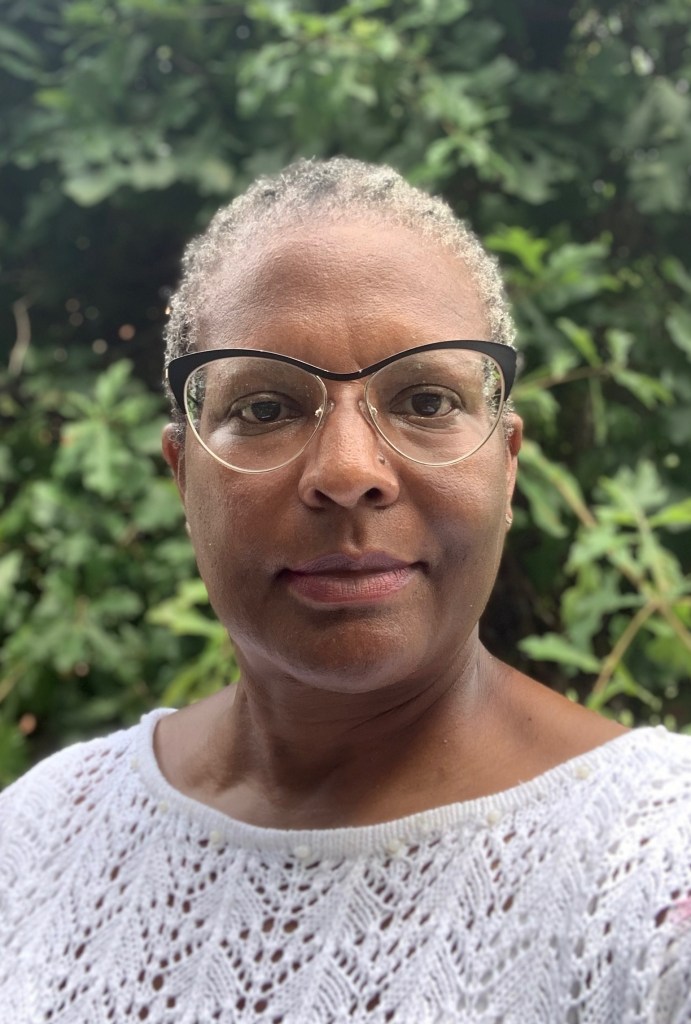
Rhonda Barlow, Registered Dietitian, Herbalist, Community Health Educator, and Garden to Table Advocate, is the founder of Lovey Toolhouse.
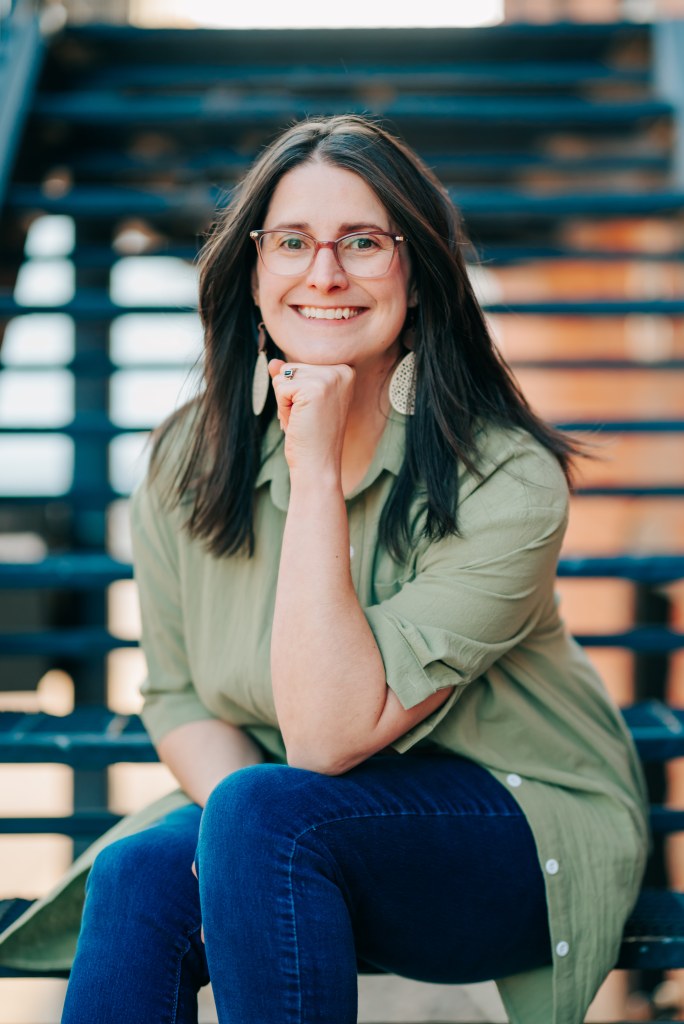
Shana Weddington is a clinical herbalist & local food systems champion. Exec. Director of Agricole Farm Stop. Food coordinator & MC for Great Lakes Herb Faire.

Tony(a) Lemos is a community herbalist, educator, and artist with 25+ years of experience. Founder of Blazing Star Herbal School in MA, she leads a year-long apprenticeship and botanical art program. Inspired by the green world, she helps people connect with plants for healing and well-being.
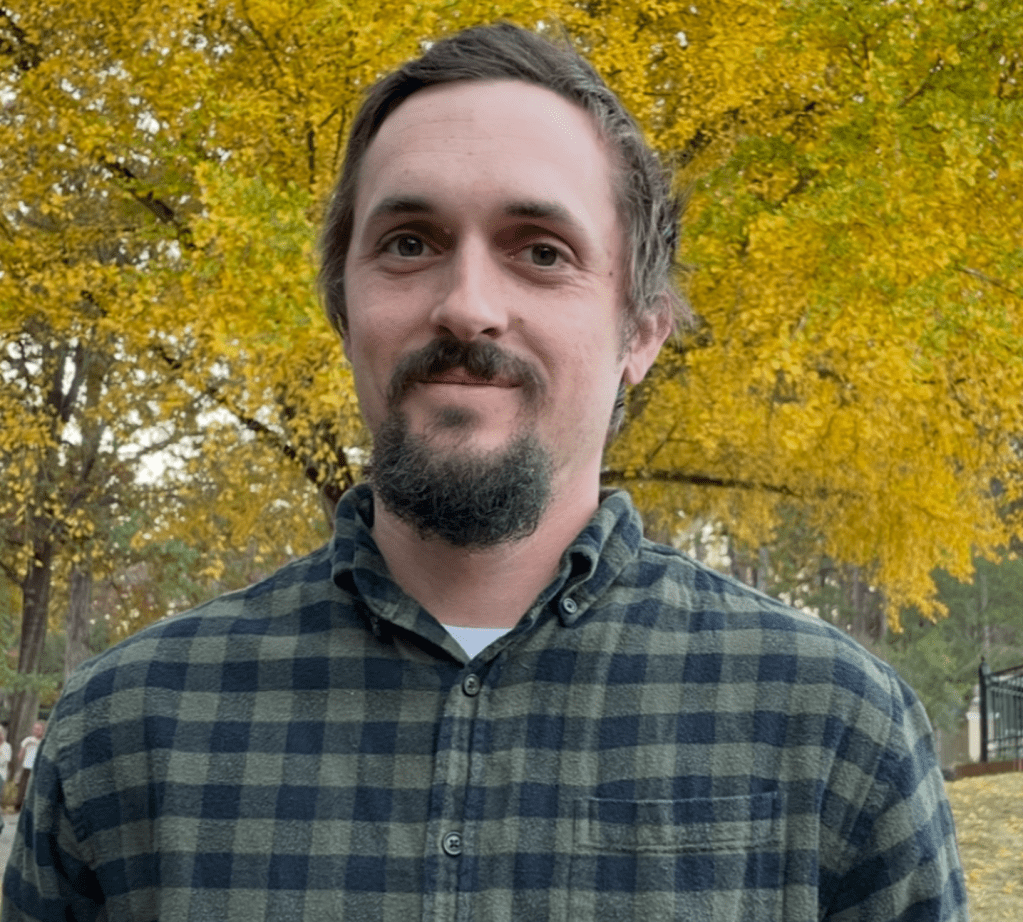
Trevor Mann, like the ecological systems he mimics in his permaculture design, is a shifting mosaic. Trevor grew up in Hoover, Al, just across the railroad track from the land that would become Walden Farmacy. Always a little different in his thinking, Trevor knew the conventional path was not for him so he began saving for a cross-country road trip after high school. His travels opened his eyes to his greater possibilities in life. Upon returning from his trip, Trevor pursued a spiritual path with a general idea that he was here to bring healing to the earth. When a friend introduced Trevor to permaculture a fire within him was lit that would soon take over and become not only his career, but also his passion. Trevor co-owns Walden Farmacy and Edible Ecosystems, a permaculture design and installation company.
Our deadline for presenters was November 30. The schedule will be posted as soon as we sort it out.
